Munich, Germany – 17 June 2026
Magnesium is designated a critical material by the United States, the European Union, the United Kingdom, Canada, Japan, and Australia. It is essential to modern industry, and its supply is heavily concentrated in a single country.
In late 2021, Chinese producers cut magnesium output due to domestic energy restrictions, and within weeks European carmakers were warned they were facing production shutdowns. Prices climbed from around $2,000 a tonne to over $10,000. Europe, which sources almost all of its magnesium from China, came close to running out of stock.
Today, magnesium is still made almost entirely in China, using a batch process originally developed in the 1940s. The same production concentration that caused that supply crisis remains in place.
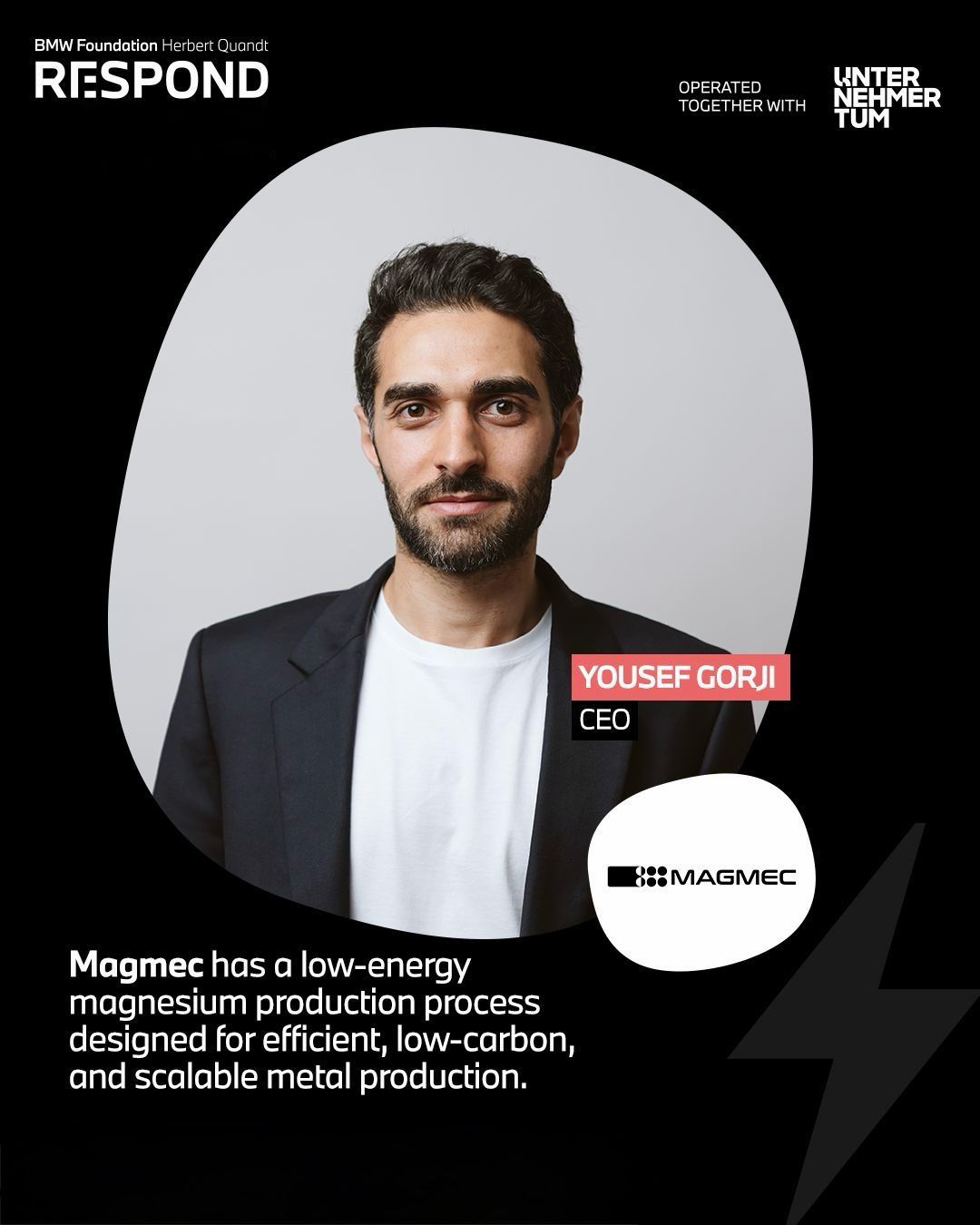
Magmec was selected in 2026 by the BMW Foundation, among top 12 global leading energy transition companies to advance its work in responsible leadership, industrialising a competitive way to produce magnesium sustainably using widely available and inexpensive raw materials including brine as a source. Its process uses electrical energy in a fully continuous system. It outperforms the conventional method on cost and efficiency, cuts process emissions by more than 50%, and falls to near zero when powered by renewable electricity.
Magnesium is the lightest structural metal in commercial use. It goes into the cars, planes, and electronics people rely on every day, such as portable computers and demand is climbing fast across electric vehicles, robotics, and defence.
Magmec’s mission is to bring this supply chain closer to the industries that depend on it, so that the next disruption does not become the next crisis.
About Magmec
Magmec develops projects supplying the next generation of magnesium metal components in automotive, aerospace and electronics industries.